Cursor
A sidebar workflow inside the coding environment where AI-generated software is actually reviewed.
CodeWalkerAI gives teams a live, continuously updated model of the codebase inside Cursor, analyzing architecture, dependencies, execution paths, risks, AI-generated code, and operational behavior.
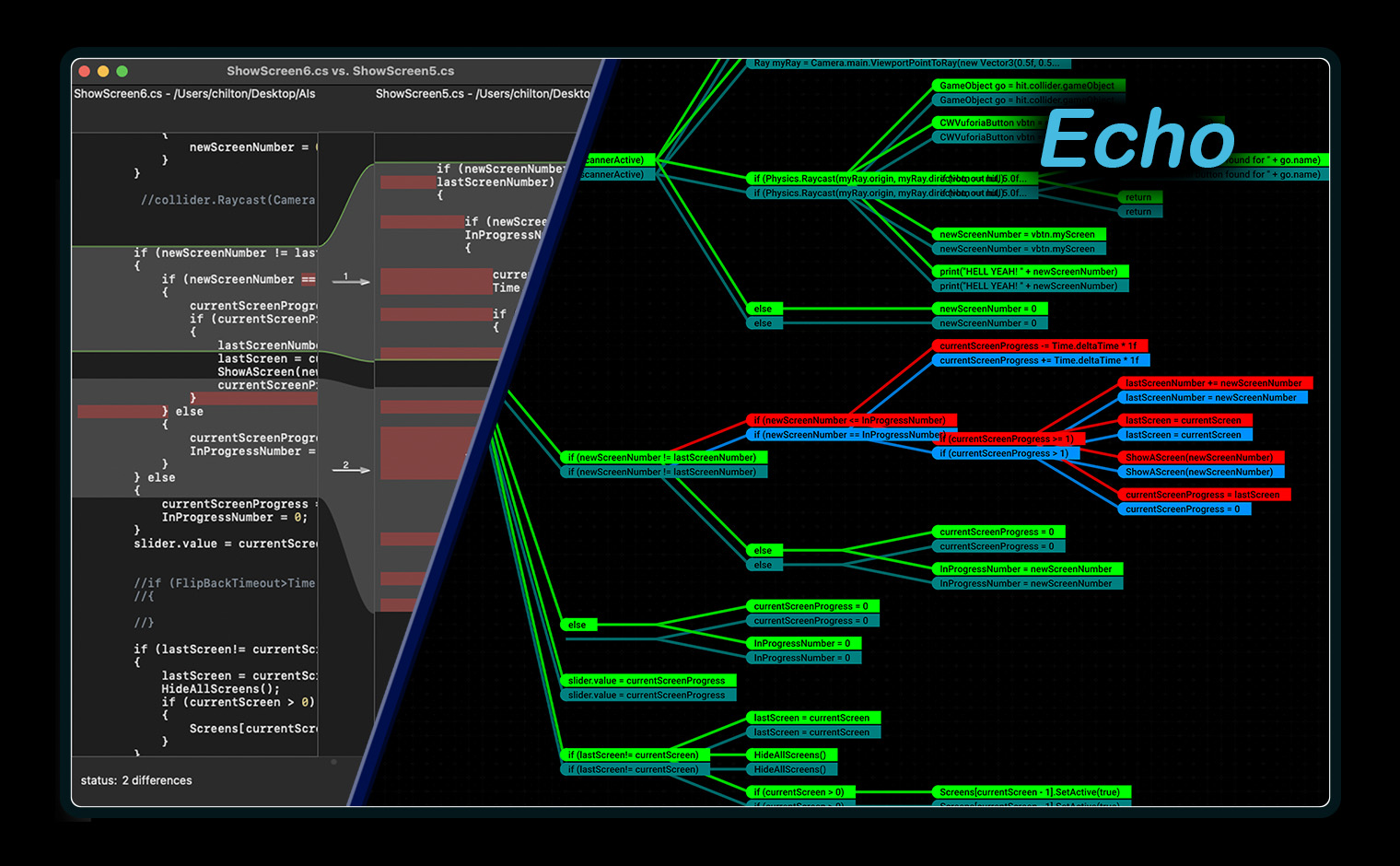
A sidebar workflow inside the coding environment where AI-generated software is actually reviewed.
Logic-level and repository-scale views of the same continuously updated software model.
Trace generated changes from pull request context to execution-path and operational impact.
TokenWise extends the trust layer into prompt operations so teams can understand context usage, model cost, and prompt efficiency before every send.
Watch prompt and response token usage update live as you work.
Estimate usage for selected files before a model call is sent.
Compare spend across models before choosing how to run the job.
See how close a prompt is to exhausting available context.
Identify which files are consuming the most context inside the request.
Get practical ways to reduce token load before submit or retry.
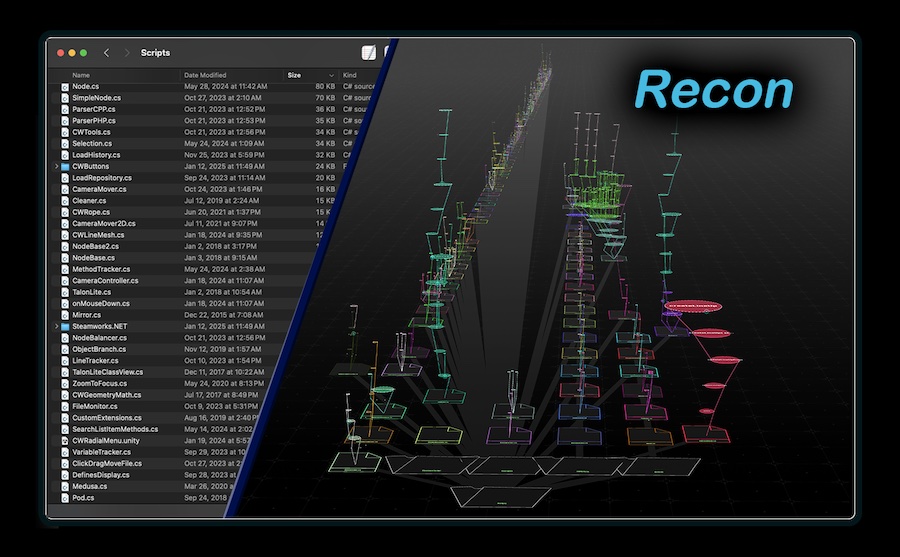
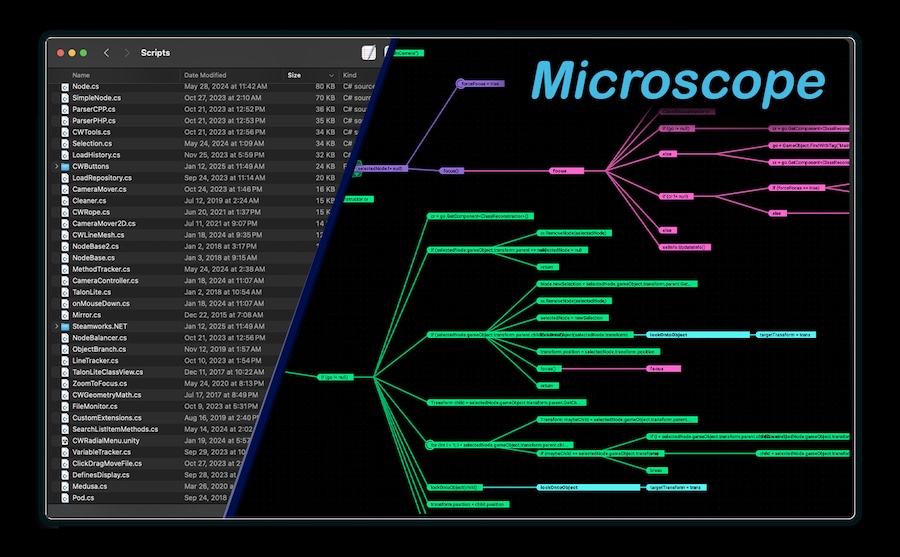
CodeWalkerAI turns architecture, dependencies, execution paths, and risky AI-generated changes into one continuously updated software model teams can inspect in context.
AST analysis, dependency verification, and repository context work together to validate whether AI-generated code is real, connected, and safe to ship.
Catch fake components before they destabilize the repository and release flow.
Reduce vulnerabilities introduced by AI-generated code that references non-existent dependencies.
Find hidden execution failures and invalid logic branches earlier in the lifecycle.